
Summer is the perfect time for holidays, coastal walks and spending time with friends and family. Your hearing aids help you stay connected to these moments, and there’s no reason you can’t continue wearing them throughout the warmer months. However, heat, humidity and perspiration can affect their performance if they’re not properly cared for. A few simple hearing aid maintenance habits can help keep your hearing aids performing at their best all summer long. At Harrold Opticians, we help the hearing aids UK community care for their devices throughout every season.
How Do Heat, Sweat and Humidity Affect Hearing Aids?

Because hearing aids sit close to the skin, they’re naturally exposed to sweat during warm weather and physical activity. Moisture can build up on the casing, around microphones and vents, while some behind-the-ear devices may also develop condensation in the tubing.
Sweat can affect batteries, charging contacts and delicate electronics, while sunscreen, dust and sand may block small openings.
Extreme heat can also reduce battery performance. These are common seasonal challenges for hearing aids, but regular hearing aid maintenance and knowing how to clean hearing aids can help prevent many problems.
What Is a Simple Daily Summer Hearing Aid Care Routine?
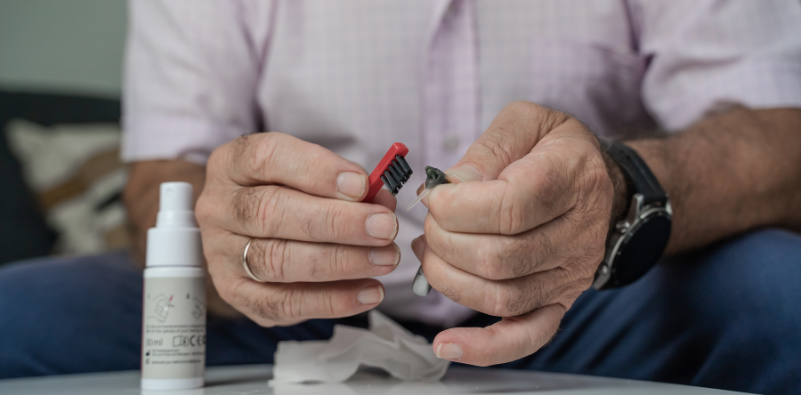
A few minutes of daily hearing aid maintenance can help your hearing aids perform reliably throughout summer.
After a warm day or exercise, wipe your hearing aids with a clean, soft, dry cloth, paying attention to the casing, microphone openings, domes or earmolds, battery compartments and charging contacts. Always handle your devices with clean, dry hands.
If you’re unsure how to clean hearing aids, always use the tools and methods recommended for your model. Sunscreen, earwax and dust can block important openings like microphones, vents and wax filters, so regular cleaning and replacing wax filters as advised is an important part of hearing aid maintenance.
Apply sunscreen or hairspray before inserting your hearing aids and allow products to dry fully before handling them.
Finish the day with a quick check. Wipe your hearing aids and store them safely overnight to help prevent moisture and debris from building up.
Can You Wear Hearing Aids at the Beach or Pool?
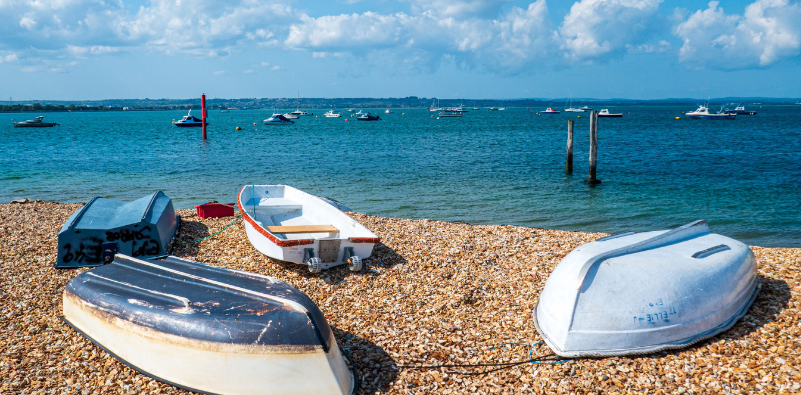
Yes, hearing aids can support an active summer lifestyle, but they should always be protected around water. Remove them before swimming, showering, or using a sauna. Even if you have waterproof hearing aids or water-resistant models, don’t assume they’re suitable for swimming unless the manufacturer specifically confirms this.
Store your hearing aids in a protective case away from sand, splashes and direct sunlight. Pack spare batteries or a power bank where appropriate, along with the correct charger and travel adaptor. If sand enters the device, avoid shaking it or using sharp objects to remove it.
How Should You Store and Dry Hearing Aids?
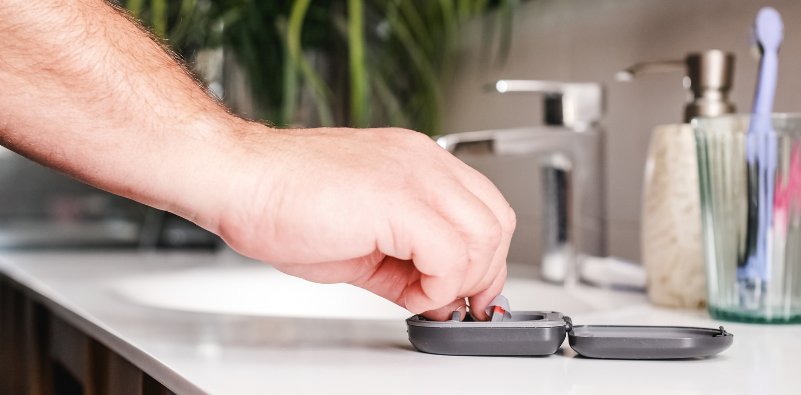
Never leave hearing aids in a hot car, on a sunny windowsill, near a radiator, inside a damp bathroom or loose in a bag or pocket.
A suitable drying cup, drying kit or electronic dehumidifier may help remove moisture, but always check if it’s compatible with your device. Rechargeable and disposable battery models may require different drying methods. Avoid hairdryers, microwaves, ovens, direct heat or unapproved cleaning liquids.
What Are the Signs Your Hearing Aids Need Attention?
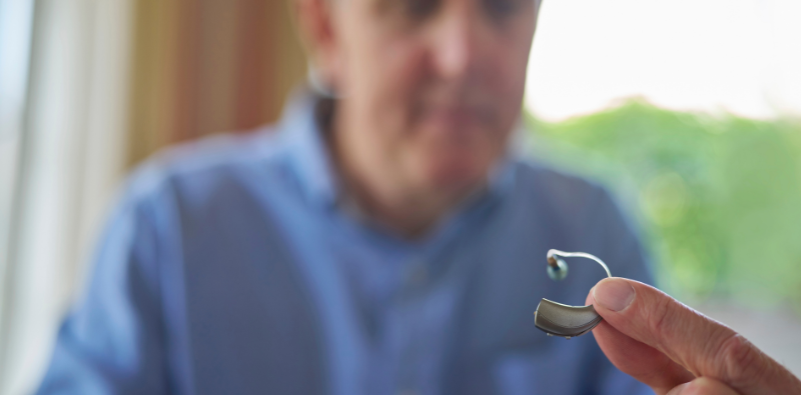
A change in performance doesn’t always mean your hearing aids are damaged.
Signs of a hearing aid not working properly include reduced or intermittent sound, distortion, hearing aid whistling, shorter battery life, charging difficulties, visible condensation or blocked tubing.
Start with the basic checks in your user guide, including wiping the device, checking the wax filter, and allowing it to dry safely. If your hearing aid is still not working after basic care, hearing aid whistling persists, or you’re unsure how to clean hearing aids, contact one of our experienced audiologists.
Whether you need expert hearing aid maintenance, advice on how to clean hearing aids, or support from experienced professionals, Harrold Optician is here to help. With 18 practices serving hearing aid users across the UK, we’re committed to helping you get the most from your hearing aids throughout every season.
Frequently Asked Questions
Can hot weather damage hearing aids?
Yes. Excessive heat can affect batteries and electronic components, but regular hearing aid maintenance helps protect your hearing aids throughout summer.
Can sweat damage hearing aids?
Yes. Sweat can collect around microphones, charging contacts and batteries. Regular hearing aid maintenance and knowing how to clean hearing aids helps reduce moisture build-up.
Can I wear hearing aids at the beach?
Yes. Wear your hearing aids on the beach, but remove them before swimming and store them safely away from sand, water and direct sunlight. Even waterproof hearing aids should only be used as recommended by the manufacturer.