
Summer is filled with sounds we look forward to all year: waves on the beach, laughter in the garden, live music at festivals and the excitement of travelling somewhere new. While many people remember sun cream and water bottles, hearing care is often overlooked. Yet warmer months can bring specific risks for your ears, from loud events and swimming to flights and longer headphone use.
Looking after your hearing does not mean avoiding the activities you enjoy. It means making small, sensible choices that protect your ears now and support your hearing health in the future. Whether you are heading to a concert, spending time by the pool or planning a holiday, summer is the ideal time to make ear protection part of your wellbeing routine.
How Can Summer Activities Affect Your Hearing?

Summer often means more time outdoors, more social events and more exposure to noisy environments. Festivals, sporting events, outdoor celebrations, airports and tourist destinations can all reach high noise levels. When sound is too loud for too long, it can place strain on the delicate structures inside the ear.
After a loud event, you might notice muffled hearing, sensitivity to sound or ringing in the ears. Repeated exposure may increase the risk of longer-term hearing damage. Water-based activities can also affect ear health, especially if water becomes trapped in the ear canal.
Good hearing care during summer is about prevention. By using the right protection, taking listening breaks and paying attention to changes in your ears, you can enjoy the season with confidence.
What Are the Hidden Hearing Risks at Summer Concerts and Festivals?

Outdoor concerts and music festivals are a highlight of summer, but they can expose your ears to high volumes for several hours. Standing close to speakers, attending multiple sets in one day or staying in loud crowds can all increase the risk of temporary or permanent hearing changes.
One common warning sign after loud noise exposure is ringing, buzzing or whistling in the ears. Many people search for tinnitus UK advice after experiencing these symptoms, particularly after concerts or nights out. While occasional ringing may settle, persistent or recurring tinnitus should be discussed with a hearing care professional.
Using earplugs for concerts is one of the easiest ways to reduce exposure without spoiling the experience. Specialist concert ear protection lowers sound levels while preserving music clarity, making it easier to enjoy live performances comfortably. Foam earplugs can also be useful for occasional events, especially when you need an affordable option.
For extra protection, take breaks in quieter areas, avoid standing beside speakers and give your ears time to recover after a loud event.
How Does Swimming Affect Ear Health?
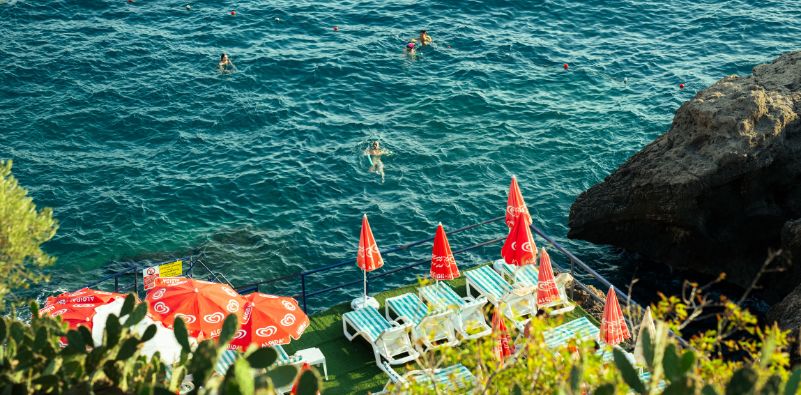
Swimming is a great way to stay active and cool during summer, but frequent water exposure can sometimes irritate the ears. One common seasonal concern is swimmers ear, an infection or inflammation of the outer ear canal that may occur when water remains trapped inside the ear.
Swimmers ear can cause itching, discomfort, redness, discharge, temporary hearing changes or a blocked feeling. It is often associated with swimming pools, lakes and the sea, although it can happen after any activity that leaves moisture in the ear canal.
Swimming ear protection can help reduce the amount of water entering the ears. Swim earplugs are useful for regular swimmers, children prone to ear problems, and anyone who experiences discomfort after swimming. After leaving the water, gently dry the outer ear with a towel and tilt your head to help water drain naturally.
Avoid using cotton buds inside the ear canal, as they can push wax deeper and irritate the skin. If you experience pain, discharge or ongoing blockage after swimming, seek professional advice.
Can Travel Affect Your Hearing and Ear Comfort?

Summer holidays can also affect your ears. During flights, air pressure changes during take-off and landing can create a blocked or uncomfortable sensation. Swallowing, yawning or chewing gum can help the ears equalise. Some travellers also find pressure-regulating earplugs helpful during flights.
Long journeys can also mean more headphone use. Listening to music, films or podcasts at high volumes for extended periods can put unnecessary strain on your hearing. Keep the volume comfortable, use noise-cancelling headphones where appropriate and take regular breaks.
What is The Best Hearing Protection For Summer Activities?

The best hearing protection depends on the activity. For festivals and live music, reusable music earplugs or specialist concert ear protection are ideal because they reduce volume while keeping sound balanced. For occasional use, foam earplugs can still provide useful protection when fitted correctly.
For swimming, choose dedicated swimming ear protection rather than general noise-reducing earplugs. Swim earplugs are designed to help limit water entry and stay secure during movement. For children, a comfortable fit is especially important, as protection is only effective when worn consistently.
For travel, pressure-filtering earplugs may help with flight discomfort, while healthy headphone habits can protect against avoidable noise exposure. The key is to match your protection to your plans.
When Should You Seek Hearing Care Advice?
If you notice sudden hearing loss, persistent ringing, ear pain, discharge, dizziness or a blocked feeling that does not improve, seek professional support. These symptoms may be temporary, but they should not be ignored.
Regular hearing checks can also help you understand your hearing health, especially if you often attend loud events, swim regularly or already experience tinnitus. If you are looking for tinnitus UK guidance, support with ear protection or advice on summer hearing concerns, a hearing care professional can recommend suitable next steps.
Enjoy Every Sound Of Summer Safely
Summer should be enjoyed, not avoided. With a few practical habits, you can protect your ears while still making the most of festivals, holidays, swimming and outdoor celebrations.
Make hearing care part of your seasonal routine this year. Pack earplugs for concerts, choose the right swimming ear protection, keep headphone volumes sensible and pay attention to any changes in your hearing. By taking these small steps, you can enjoy the sounds of summer more safely and comfortably.
Find your nearest Harrold Opticians practice and speak to our team about hearing health support, ear protection options and practical advice for the summer season.